|
United Kingdom Bans Imports from Israeli Settlements
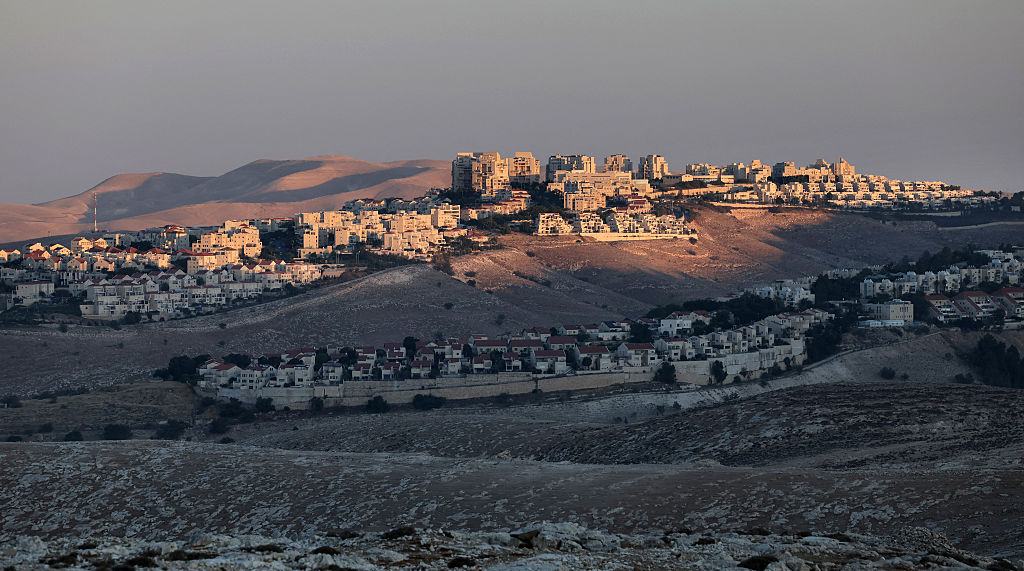
The United Kingdom announces a ban on imports of all goods originating from illegal Israeli settlements in the occupied West Bank. The measures also cover services, finance, export licences, and expanded sanctions, and are presented as a response to Israel’s approval of new construction in sensitive areas such as the E1 corridor. The decision is linked to the ICJ Advisory Opinion of July 2024 on the unlawfulness of Israel’s continued presence in the Occupied Palestinian Territory.
United Kingdom Measures on Israeli Settlements in the Occupied West Bank:
| Dimension | Key Details |
|---|---|
| Announcing authority | The ban is announced in the House of Commons by UK Foreign Secretary Ed Miliband. |
| Coverage: Import ban | Bars all agricultural, processed, and manufactured goods produced in Israeli settlements across the occupied West Bank, including East Jerusalem, from the UK market. |
| Coverage: Services ban | Prohibits British firms from providing services that facilitate settlement expansion, including construction, infrastructure, real estate, advertising, and financing. |
| Coverage: Export licences | Refuses licence applications for arms and other exports that materially contribute to the occupation. |
| Coverage: Sanctions | Expands sanctions against settler organisations and individuals involved in violence and settlement expansion. |
| International support statement | A joint statement by 12 countries, including Canada and France, supports the two-state solution and backs trade restrictions on illegal settlements. |
| Commitments by specific countries | The UK, Canada, and France commit to introducing national restrictions, while some other countries state they are still considering measures. |
| Immediate trigger cited | Israel’s approval of new construction in sensitive zones, notably the E1 corridor between East Jerusalem and the Ma’ale Adumim settlement, is cited as an immediate trigger. |
| E1 corridor implications | Construction in E1 severs the territorial link between the northern and southern West Bank, further isolates East Jerusalem from the rest of the West Bank, and physically fragments territory claimed for a future Palestinian state. |
| ICJ Advisory Opinion | The ICJ Advisory Opinion of July 2024 holds that Israel’s continued presence in the Occupied Palestinian Territory is unlawful. |
| Fourth Geneva Convention reference | Finds that Israel’s transfer of settlers to the West Bank and East Jerusalem, and maintaining their presence there, violates Article 49(6) of the Fourth Geneva Convention. |
| ICJ ruling: obligation on third-party states | Paragraph 278 places obligations on third-party states to refrain from recognising as legal the situation arising from Israel’s unlawful presence, and to avoid rendering aid or assistance in maintaining it. |
| West Bank territorial division | The 1995 Oslo II Accord divides the West Bank into Areas A, B, and C. |
| Area C | Area C covers roughly 60% of the West Bank, remains under full Israeli civil and military control, and houses almost all Israeli settlements outside Jerusalem. |
| Jordan Valley and Dead Sea Basin | Cover nearly 30% of the West Bank and are dominated by Israeli agricultural settlements. |
| Settlement production: agricultural goods | Comprises Medjool dates, table grapes, herbs, citrus fruits, avocados, and wine from the West Bank and Golan Heights. |
| Settlement production: manufactured goods | Comprises cosmetics using Dead Sea minerals, plastics, textiles, construction materials, and packaging, produced in industrial parks such as Barkan, Mishor Adumim, and Atarot. |
| UNCTAD estimate on settlement contribution | A 2022 UNCTAD report estimates that settlements in Area C and East Jerusalem contribute about $30 billion annually (in constant 2015 dollars) to Israel’s economy between 2000 and 2020. |
| Settlement exports share | Direct settlement exports form only 1% to 2% of Israel’s total exports. |
| ILO estimate on Palestinian workers | According to the ILO, around 40,000 Palestinians work in settlements in Area C before the October 7, 2023 attacks, mainly in construction, agriculture, and factory labour. |