|
10,000 Artefacts from Rajghat Excavations in Varanasi
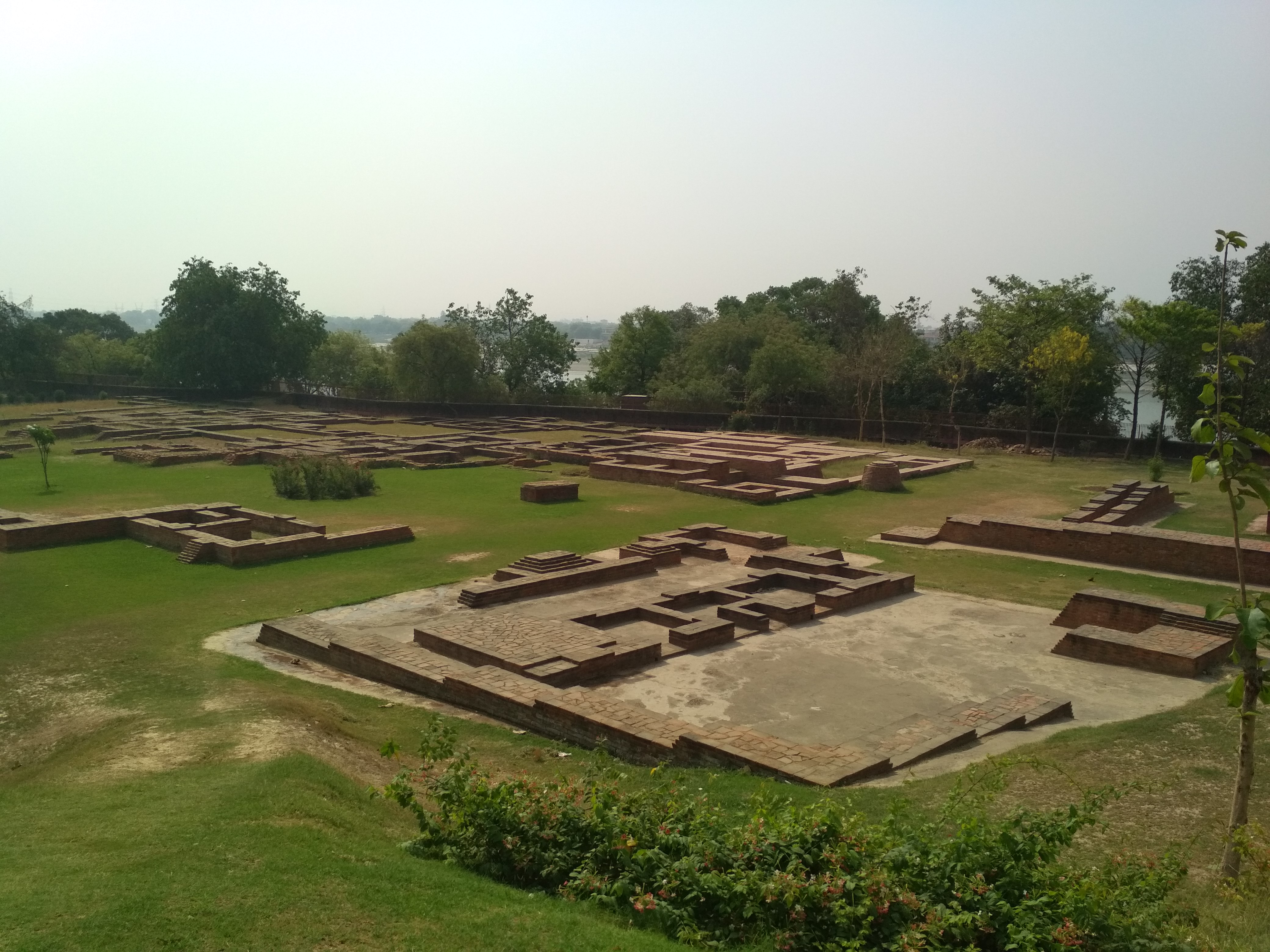
Banaras Hindu University (BHU) has begun systematically documenting over 10,000 artefacts excavated from the Rajghat site in Varanasi. Rajghat is reported as a key archaeological site linked to ancient Kashi Janapada, with excavation finds spanning early Iron Age cultural layers to the Gupta period.
Rajghat Site Excavations:
| Dimension | Key Details |
|---|---|
| Location | Rajghat is located on the north-eastern outskirts of Varanasi near the confluence of the Ganga and Varuna rivers. |
| Identification by archaeologists | Rajghat is identified by archaeologists as the main urban core and historical capital of the ancient Kashi Janapada or Mahajanapada. |
| Functional distinction | Rajghat developed as the commercial and administrative urban heart of ancient Varanasi. |
| Lowest cultural layers | The lowest cultural layers comprise pre-Northern Black Polished Ware (pre-NBPW), pushing the verified origins of the settlement back to around 800 BCE during the early Iron Age. |
| Seals and sealings | The excavated material comprises hundreds of seals and sealings containing references to local administrative units and officials, and several seals comprise Greek inscriptions. |
| Other excavated finds and time span | The excavated assemblage comprises punch-marked coins, iron tools, ivory objects, terracotta figurines, and storage jars spanning up to the Gupta period. |
| Significance for settlement history | Rajghat serves as concrete material evidence documenting the transition from agrarian early Iron Age settlements to organized urban centers (Second Urbanisation) in the Gangetic plains. |
| Significance for ceramic dating | Rajghat’s continuous occupation layers provide a foundational sequence for dating ceramic cultures from Pre-NBPW to NBPW and beyond across eastern Uttar Pradesh and Bihar. |
| Current scientific examination | Human skeletal remains excavated from the site in the 1960s are currently being examined using modern DNA and isotope analysis to uncover ancient population ancestry, diet, and lifestyle. |