|
India-Uzbekistan Elevate Ties to Comprehensive Strategic Partnership
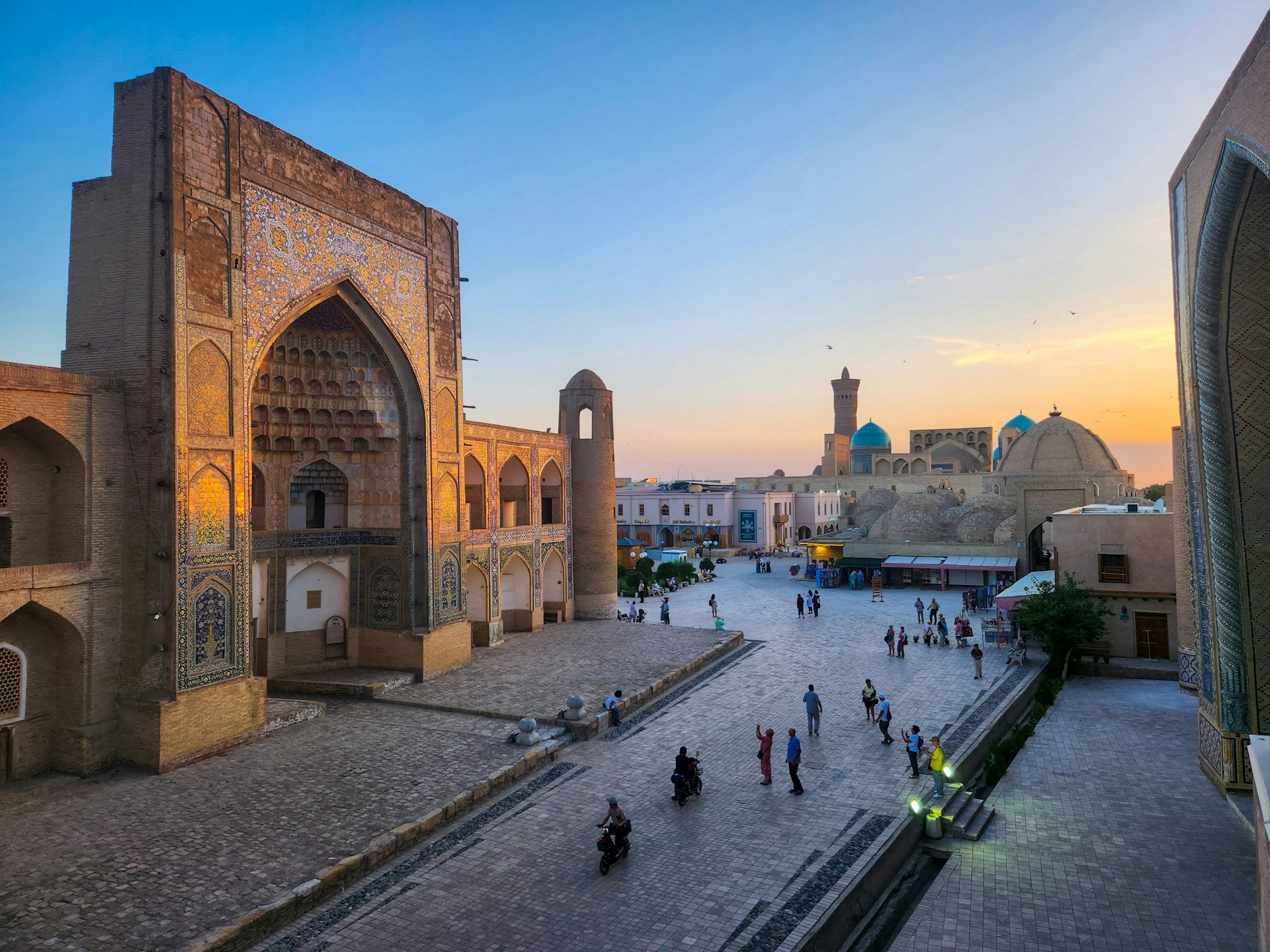
India and Uzbekistan elevate their bilateral relationship to a Comprehensive Strategic Partnership during the Indian Prime Minister’s visit to Tashkent. The elevation coincides with the 15th anniversary of their Strategic Partnership, and the two sides agree to deepen cooperation across multiple sectors.
India-Uzbekistan Comprehensive Strategic Partnership:
| Dimension | Key Details |
|---|---|
| Cooperation areas | The upgraded partnership comprises cooperation in civil nuclear energy, trade, defence, critical minerals, connectivity, counter-terrorism, pharmaceuticals, technology, and education. |
| Civil nuclear cooperation | Civil nuclear cooperation comprises a proposed long-term arrangement for uranium supplies from Uzbekistan to India, and the agreement is reportedly close to being finalised. |
| Trade target | The two sides mandate a target of raising annual bilateral trade from around USD 1 billion to USD 5 billion by 2030. |
| Trade focus sectors | Trade and economic partnership comprises focus on trade and investment; agriculture and pharmaceuticals; energy and critical minerals; jewellery and mining; and infrastructure and connectivity. |
| Trade facilitation measures | The bilateral trade roadmap comprises addressing market-access barriers, connectivity constraints, and banking and payment mechanisms. |
| Defence cooperation direction | Defence cooperation comprises expansion from traditional military exchanges towards defence-industrial collaboration, including promoting direct linkages between defence industries. |
| Defence industrial focus | Defence-industrial collaboration comprises co-development and co-production of military equipment. |
| Institutional mechanism in defence | The Joint Working Group on Military Cooperation comprises exploration of new avenues in defence-industrial cooperation. |
| Joint exercise | The Dustlik joint military exercise continues to strengthen operational cooperation. |
| Counter-terrorism commitments | Counter-terrorism cooperation comprises intelligence sharing, law-enforcement cooperation, countering violent extremism, action against terrorist financing, tackling safe havens and terrorist infrastructure, combating organised crime and illicit drug trafficking, and cooperation against cyber threats. |
| Connectivity constraint | Connectivity remains a key challenge in India–Central Asia relations because India lacks direct overland access to the region. |
| Visa facilitation | Uzbekistan authorises removal of visa requirements for Indian citizens for stays up to 30 days. |
| Digital payments | Digital payment connectivity comprises UPI-enabled applications expected to become usable in Uzbekistan. |
| Heritage cooperation | A Letter of Intent has been agreed for restoration and conservation of the Buddhist sites of Fayaz Tepa and Kara Tepa in Uzbekistan. |
| Scholarships | 100 Lal Bahadur Shastri Hindi scholarships have been announced. |
| Academic chair | An ICCR Sanskrit Chair will be established at Tashkent State University of Oriental Studies. |
| Institutional mechanisms | A Foreign Minister-level Coordination Group will be established, and the existing Joint Commission has been elevated from the secretary level to the ministerial level. |
| Environmental cooperation | India authorises a USD 1 million grant for afforestation in the Aral Sea region. |