|
Bihar Urges Centre to Rework 1996 India-Bangladesh Ganga Water Sharing Treaty
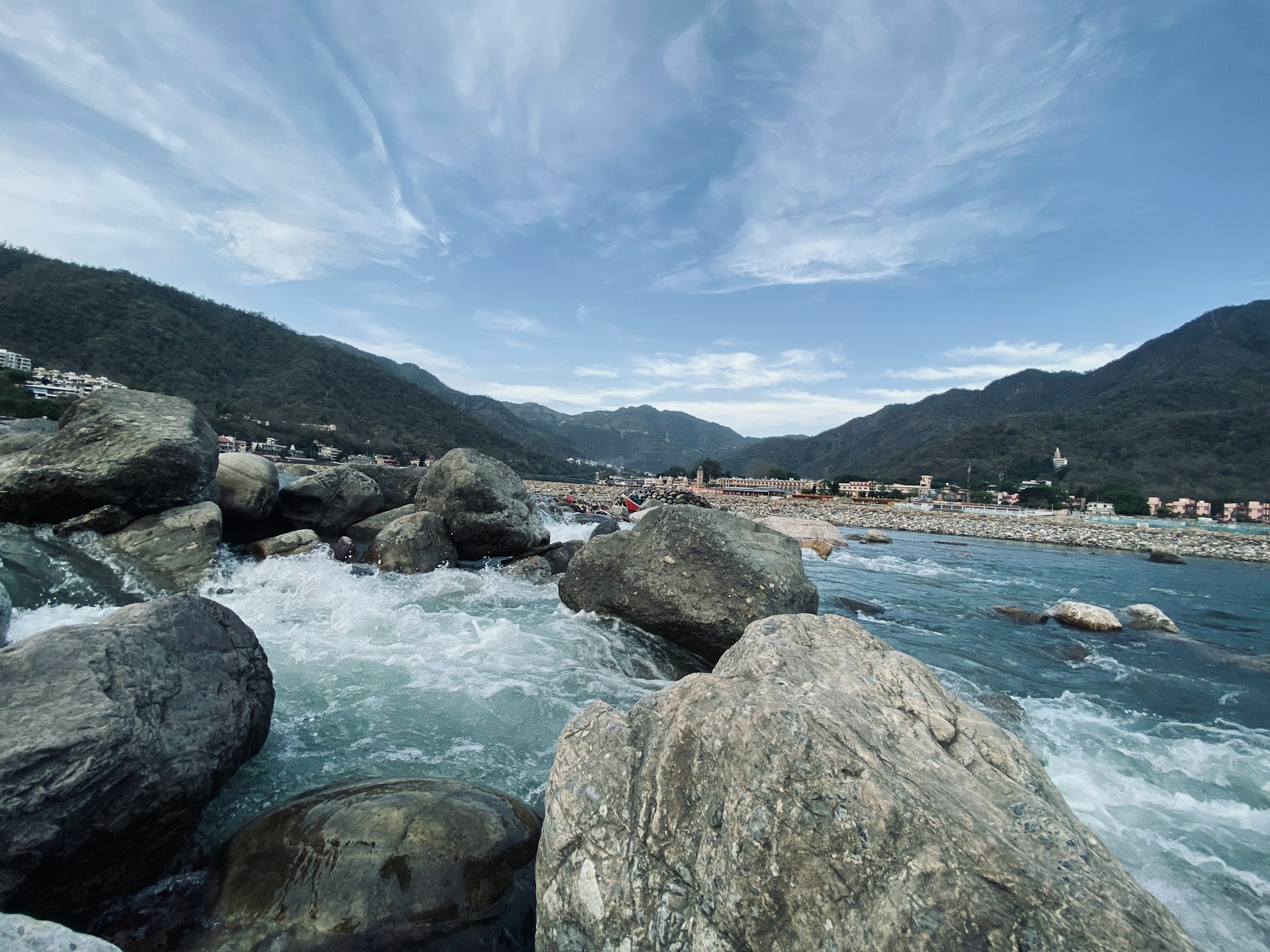
The Bihar government urges the Central Government to not renew the 1996 India-Bangladesh Ganga Water Sharing Treaty in its current form as it nears expiry. Bihar flags silt trapping at the Farakka Barrage, recurring flooding and erosion, and a projected additional water requirement, and calls for changes in negotiation and silt management.
1996 India-Bangladesh Ganga Water Sharing Treaty:
| Dimension | Key Details |
|---|---|
| Signatories and date | Has been signed on December 12, 1996, between Indian Prime Minister H. D. Deve Gowda and Bangladesh Prime Minister Sheikh Hasina. |
| Binding period | Provides for a binding 30-year period. |
| Core function | Regulates dry or lean season water distribution at the Farakka Barrage in Murshidabad district, West Bengal. |
| Lean season period covered | Applies to the period from January 1 to May 31. |
| Sharing mechanism | Provides for a 10-day rotation formula during the lean period: flow > 75,000 cusecs, India receives 75,000 cusecs and Bangladesh receives the remainder; flow between 70,000–75,000 cusecs, Bangladesh receives 35,000 cusecs and India gets the balance; flow < 75,000 cusecs, water is shared equally (50:50). |
| Emergency provision | Mandates immediate bilateral consultations if flow falls below 50,000 cusecs. |
| Expiration and renewal | Provides for expiration on December 12, 2026, subject to renewal by mutual consent. |
| Farakka Barrage objective | Provides for diverting Ganga water into the Bhagirathi-Hooghly river system via a feeder canal to flush out silt and keep Kolkata Port navigable. |
| Farakka Barrage commissioning | Has been commissioned in 1975. |
| Key concerns raised by Bihar | Comprises: Farakka Barrage trapping massive volumes of silt and raising the Ganges riverbed upstream; recurring “flood-and-parch” dynamic causing severe monsoon flooding and riverbank erosion in districts including Patna, Bhagalpur, and Buxar; projected additional requirement of 2,000 cusecs of water by 2050 for industrialization, irrigation, and drinking needs, which current allocations fail to address. |
| Demands flagged by Bihar | Comprises: a comprehensive National Silt Management Policy; direct state representation in negotiations; a scientific re-assessment of water needs for all upper riparian states. |
| Constitutional provision cited | Article 253 authorises Parliament to enact laws for implementing international treaties. |