|
Genomic Studies Trace High Gene Flow
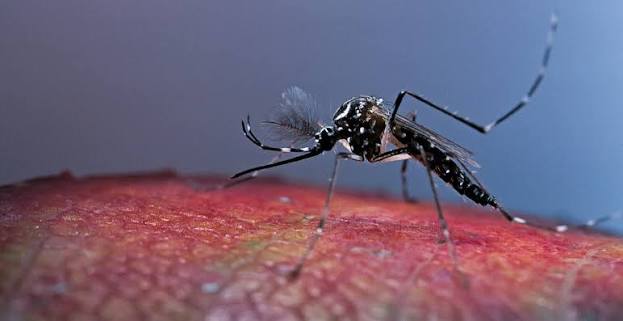
Recent genomic studies on Aedes aegypti in India show high gene flow and high genetic similarity across eco-climatic zones despite long distances. The findings link the species’ genetic structure to human movement, rapid urbanization, and regional transport networks that passively transport mosquitoes and drought-resistant eggs across state borders.
Genomic studies on Aedes aegypti (India):
| Dimension | Key Details |
|---|---|
| Key genomic finding | Aedes aegypti populations across different eco-climatic zones in India exhibit high genetic similarity despite long distances. |
| Drivers of long-distance mixing | Long-distance mixing is driven primarily by long-distance human transit via railways, highways, and logistics networks passively transporting mosquitoes and their drought-resistant eggs across state borders. |
| Urban factors creating breeding grounds | Unplanned urban growth, artificial water storage habits, and dense construction sites create abundant, micro-localized breeding grounds. |
| Ecological niche and genetic effect | This anthropophilic niche buffers mosquito populations against local climate extremes, facilitating widespread interbreeding between urban and semi-urban lineages. |
| Chemical vector control and selection | Indiscriminate use of chemical vector control, including pyrethroid-based fogging and indoor sprays, exerts strong selective pressure. |
| Resistance mutations | This human-driven pressure accelerates the spread of specific knockdown resistance genetic mutations across distant populations. |
| Origin | Aedes aegypti is native to West Africa. |
| Global spread pathway | The domestic lineage spreads globally via international maritime and trade routes. |
| Bionomics | Aedes aegypti is a daytime biter, is highly anthropophilic, and primarily breeds in clean, stagnant water held in artificial containers in and around domestic dwellings. |
| Co-circulating vector | Aedes aegypti co-occurs with Aedes albopictus (Asian tiger mosquito), which occupies more suburban and rural vegetation niches. |