|
Striped Hyena (Hyaena hyaena) as scavenger
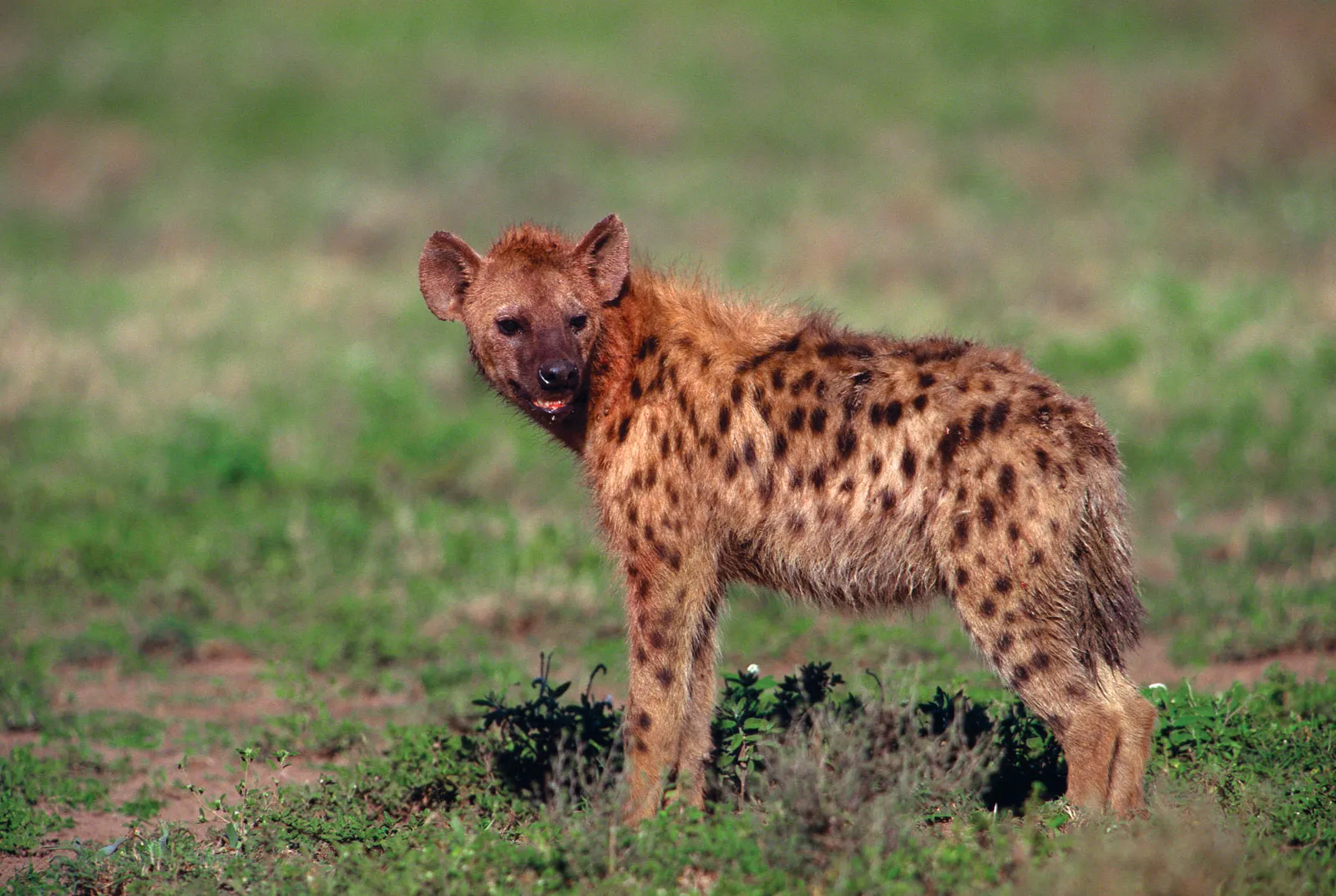
A recent report underscores the ecological service provided by the striped hyena in removing livestock and wildlife carcasses across India's open grasslands and human-dominated rural landscapes.
Striped Hyena:
| Dimension | Key Details |
|---|---|
| Scientific name | Comprises the scientific name Hyaena hyaena. |
| Ecological role | Authorises sanitation and disease vector control by acting as a primary scavenger that clears decaying carcasses and organic waste. |
| Disease risk reduction | Provides for pathogen risk reduction by removing carcasses that would otherwise harbor pathogens causing diseases like anthrax, rabies, and bovine tuberculosis. |
| Bone-cracking adaptation | Comprises powerful jaws and specialized dentition that enable cracking and consuming heavy bones, recycling minerals like calcium and phosphorus into the soil matrix. |
| High gastric acidity | Comprises highly acidic stomach juices with elevated levels of hydrochloric acid that allow digestion of putrid, microbe-laden flesh without contracting infections. |
| Denning behavior | Comprises long-term, multi-generational use of subterranean burrows, caves, and rock crevices for raising cubs and sheltering during daylight hours. |
| IUCN Red List status | Comprises the status Near Threatened (NT). |
| Wildlife Protection Act, 1972 | Provides for protection under Schedule III. |
| Primary diet | Comprises scavenging on carcasses, bones, and offal, supplemented by fruits and vegetables. |
| Scent marking | Comprises use of “hyena butter” (anal pouch secretion) for territorial communication. |
| Key habitats in India | Comprises the Deccan Plateau (e.g., Saswad), Thar Desert, Gir, Velavadar, and Pench. |
| Threats: cultural myths and superstitions | Comprises demonization in rural folklore as evil omens, “steeds of witches,” or grave robbers, leading to deliberate persecution and retaliatory poisoning. |
| Threats: loss of “wasteland” grasslands | Comprises classification of open natural ecosystems (ONEs) and semi-arid scrublands as “wastelands,” leading to land diversion for real estate, solar parks, and industrial corridors. |
| Threats: persecution and linear infrastructure | Comprises mortality from vehicle collisions on highways traversing scrubland habitats, open agricultural wells, and stray dog pack aggression. |