|
Assam’s CWRC Completes 25 Years of Wildlife Rescue Work
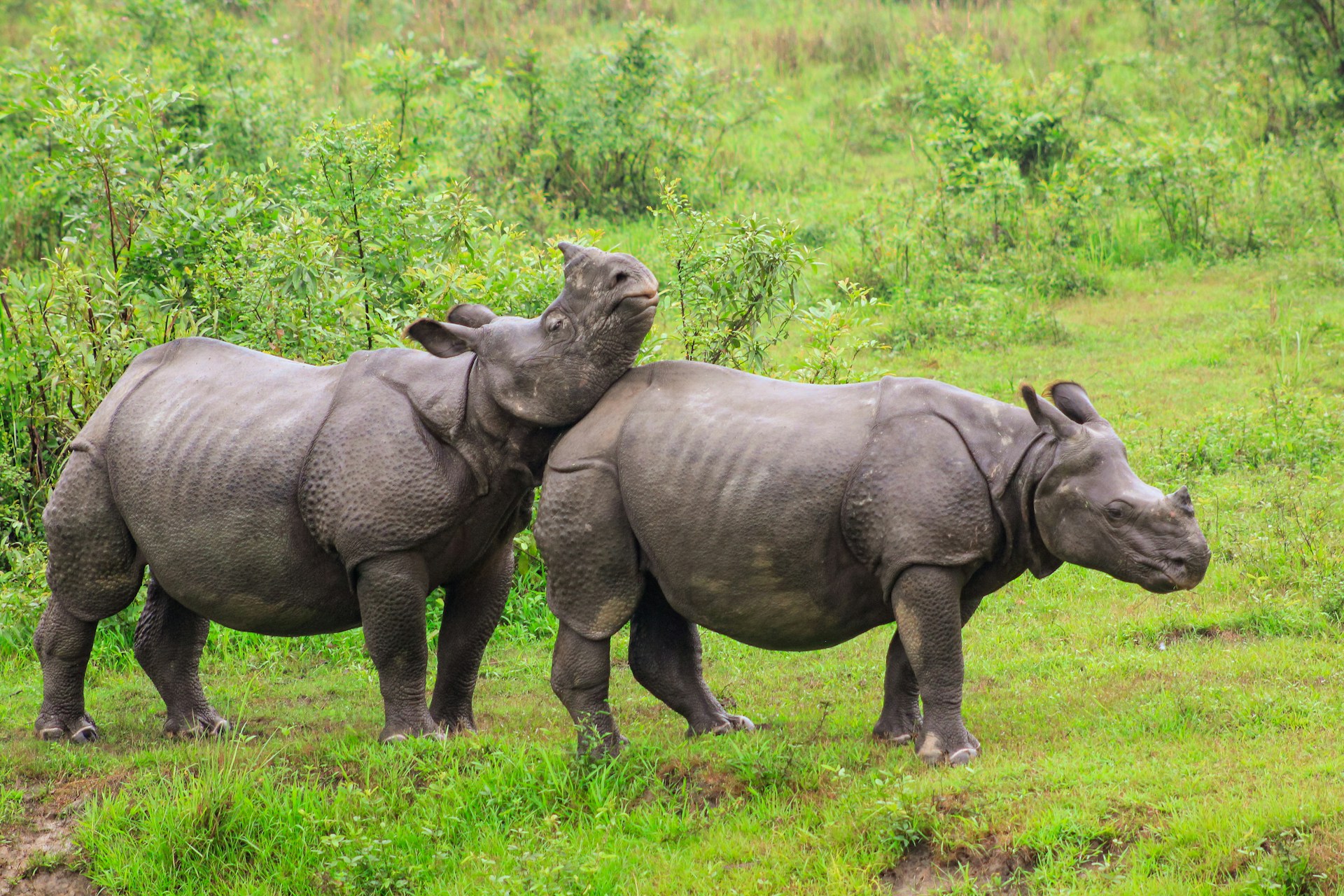
CWRC, Assam completes 25 years of wildlife rescue, rehabilitation, and conservation work. It operates as India’s first dedicated facility for hand-raising, treating, and releasing orphaned or injured wild animals, and is jointly run by the Assam Forest Department, WTI, and IFAW.
Centre for Wildlife Rehabilitation and Conservation, Assam:
| Dimension | Key Details |
|---|---|
| Location and establishment | CWRC is established at Panbari, near Kaziranga National Park and Tiger Reserve, Assam, in 2002. |
| Reported contribution | CWRC rescues 10,000+ animals and releases into the wild about 68%. |
| Major focus areas | CWRC focuses on rescue, veterinary care, rehabilitation, and reintroduction. |
| Major conservation activities | CWRC undertakes activities including flood rescue; rehabilitation; reunification; and human-wildlife conflict community outreach. |
| Reintroduction linked to CWRC | CWRC plays a pivotal role in reintroducing the one-horned rhinos to western Assam’s Manas National Park by rehabilitating rescued individuals. |
| Other notable efforts | Notable efforts include rehabilitation of Asiatic black bear cubs in Manas and Dihing Patkai, work on wild buffalo, and work on hoolock gibbons. |
| WTI: nature and year of formation | Wildlife Trust of India (WTI) operates as a leading Indian nature conservation organization, and it is formed in 1998. |
| WTI: operating model | WTI operates as a non-profit action institution that works in close partnership with local communities, state forest departments, and the Ministry of Environment, Forest and Climate Change. |
| IFAW: nature and year of founding | International Fund for Animal Welfare (IFAW) is a global non-profit organization founded in 1969. |
| IFAW: presence | IFAW is headquartered across multiple countries, and it works in over 40 nations. |
| IFAW: objective | IFAW provides for objectives including rescuing individual animals, protecting natural habitats, combating wildlife crime, and promoting coexistence between animals and people. |