|
128 Countries Agree Non-Binding Framework on Autonomous Weapons
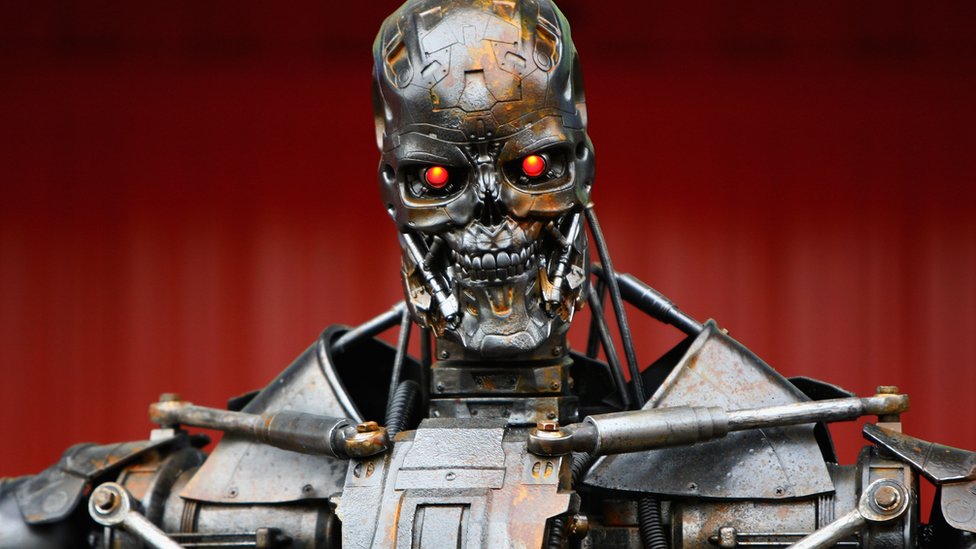
128 countries reach a consensus on a non-binding framework for dealing with autonomous weapons during talks in Geneva under the Convention on Certain Conventional Weapons (CCW).
Convention on CCW & AWS Framework:
| Dimension | Key Details |
|---|---|
| Autonomous weapons systems (AWS) | AWS can detect, identify, and engage targets according to their programming, without requiring human approval for each individual attack. |
| Informal term | “Killer robots” is an informal term for autonomous weapons systems (AWS). |
| CCW formal name | The CCW is formally known as the Convention on Prohibitions or Restrictions on the Use of Certain Conventional Weapons. |
| CCW alternate name | The CCW is also referred to as the Inhumane Weapons Convention. |
| CCW aim | The CCW provides for protecting military troops from inhumane injuries and preventing noncombatants from accidentally being wounded or killed by certain types of arms. |
| CCW protocols | The CCW comprises 5 protocols: Protocol I (Non-Detectable Fragments); Amended Protocol II (Mines and Booby-Traps); Protocol III (Incendiary Weapons); Protocol IV (Blinding Laser Weapons); Protocol V (Explosive Remnants of War). |
| Protocol I (Non-Detectable Fragments) | Protocol I bans weapons using fragments undetectable by X-rays in the body. |
| Amended Protocol II (Mines and Booby-Traps) | Amended Protocol II controls the use of landmines, booby-traps, and similar devices to protect civilians. |
| Protocol III (Incendiary Weapons) | Protocol III restricts weapons designed to set fire to targets or cause burn injuries near civilian areas. |
| Protocol IV (Blinding Laser Weapons) | Protocol IV prohibits laser weapons designed to cause permanent blindness. |
| Protocol V (Explosive Remnants of War) | Protocol V requires cleanup, recording, and marking of unexploded ordnance after fighting ends. |
| Key concerns | Key concerns comprise civilian casualties, accountability gap, human control, and rapid technological growth. |
| Civilian casualties concern | There is a significant risk of misidentifying combatants as civilians, which may result in unintended harm. |
| Accountability gap concern | Liability remains unclear among programmers, manufacturers, commanders, operators, and states. |
| Human control concern | An ethical dilemma arises when machines are permitted to make decisions regarding the use of lethal force. |
| Rapid technological growth concern | Accelerated advances in artificial intelligence and autonomy intensify concerns related to modern warfare. |